

The many entities (gastronomic societies*, produce guilds**, among others) that have been working in Basque Gastronomy for years have promoted objectives similar to those of Slow Food, an association created in 1989. The growth and influence that the Slow Food philosophy has achieved in just a few years is surprising. What has facilitated this success?
The message of this movement has been clearly communicated by Slow Food leaders, through clear and powerful slogans. One example is “good, clean and fair”. It explains in three words what food should be like.
Good: appetizing when we eat it.
Clean: healthy (hormone-free, non-GMO, chemical-free,…).
Fair: the prices we consumers pay must guarantee the quality of life of the producers.
For centuries, pleasure has been a sin for Christians. The Slow Food movement has turned pleasure into the engine that the slow revolution offers us. They have turned well-oriented gastronomic pleasure into the best ally of the primary sector. Slow Food confronts Fast Food, they are enemies. The first favours diversity, the second bland homogeneity.
The land we have around the world should not be managed as a factory. Short-term profits should not condition global agriculture and livestock farming. We must look after local varieties. There are countless varieties of potato, tomato, grape, rice… In the territories where the varieties have been generated, they are better adapted, they need less fertilisers and pesticides. Let us preserve the wealth offered by this diversity. The challenges and risks of the future will be easier to face if we have many varieties.
Particularly interesting is the concept of co-producer coined by Slow Food. Although the term was not invented by Slow Food, it has brought to light an interesting consumer profile that has always existed.
Normal consumers only buy and pay for the product. They are not interested in its history, its production; they buy, pay and that’s it. The co-producer, on the other hand, goes further: he/she knows the product community in depth (another Slow Food definition). The product community is made up of the product itself, the producers, the restaurants, the shops, the fairs, the writers, the co-producers; agents that revolve around each product.
Restaurants are the special co-producers for the Slow Food movement. Supplying the kitchens from our own and nearby farms. A few years ago, the restaurants formed a group with the title KM-0, today they are collected under the name of Cooks Alliance.
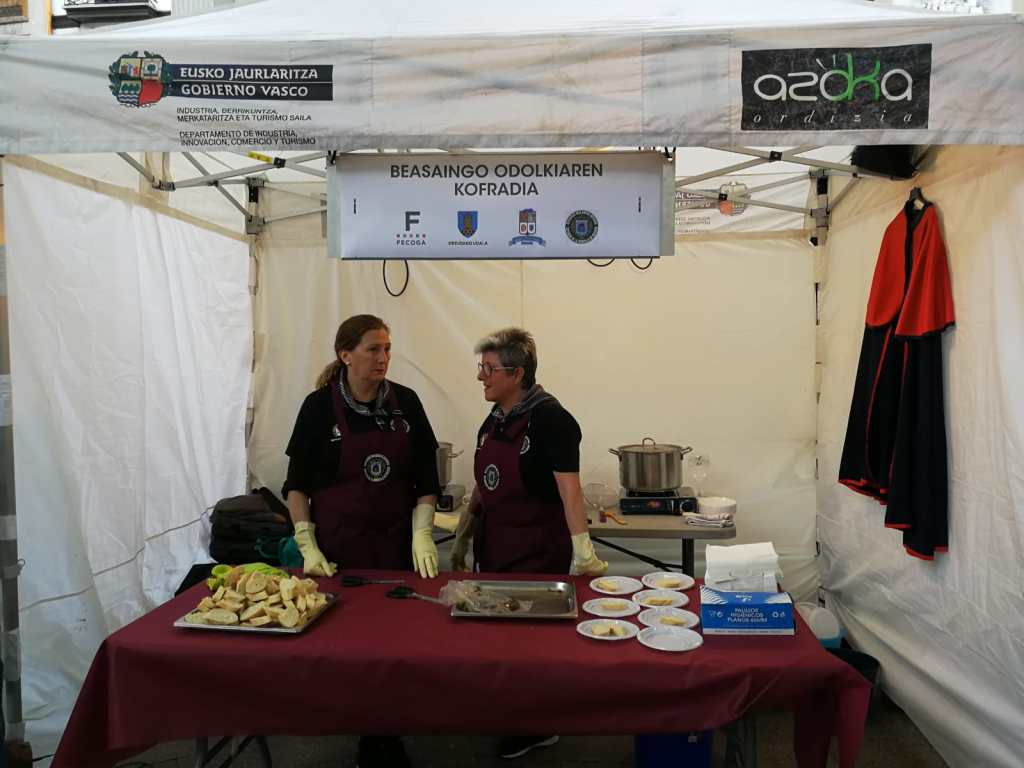
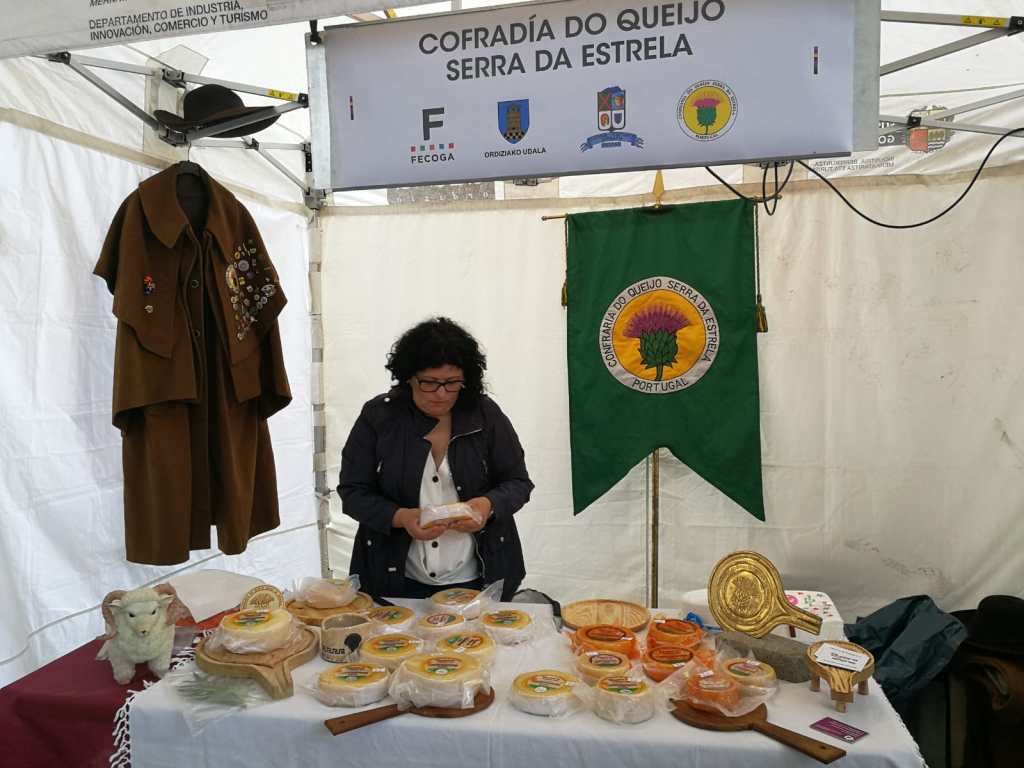
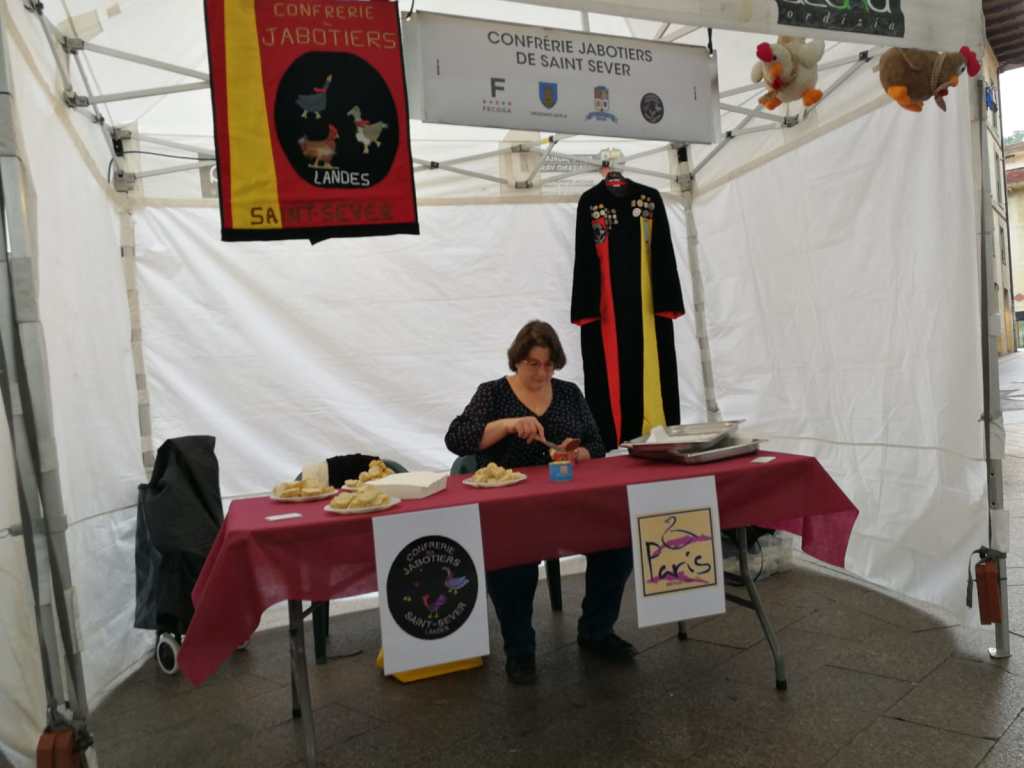
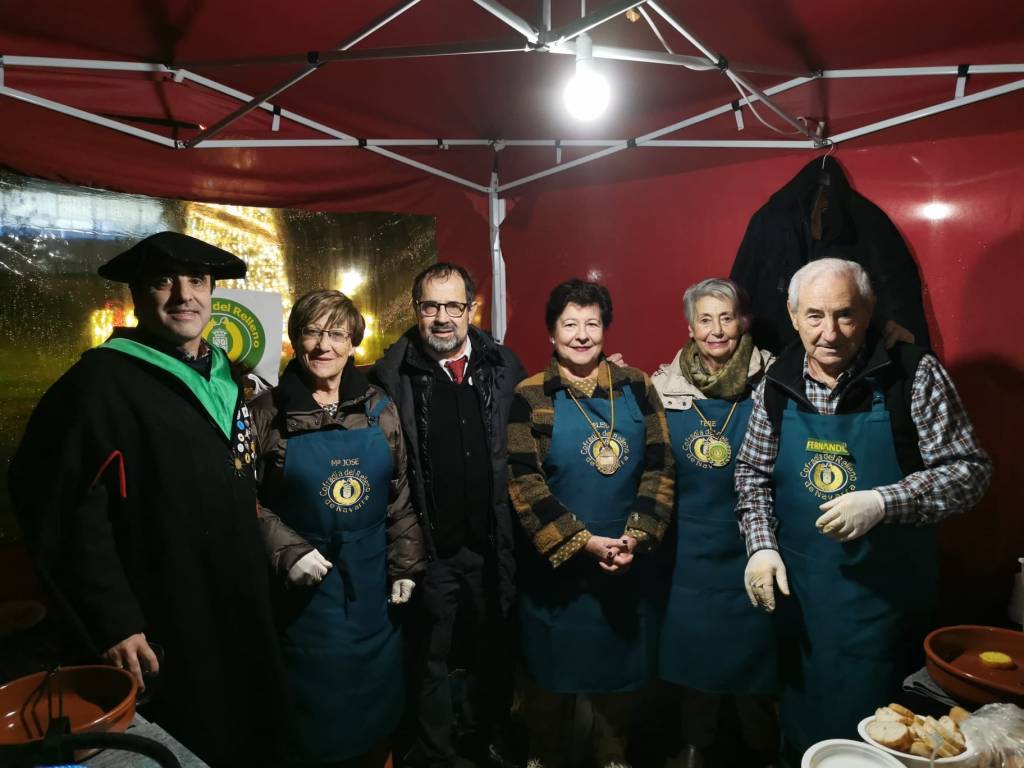
The guilds and FECOGA (Spanish acronym for the Federation of Gastronomic Guilds) members are extraordinary co-producers. They know perfectly well the characteristics of the products they defend and praise the work of the producers.
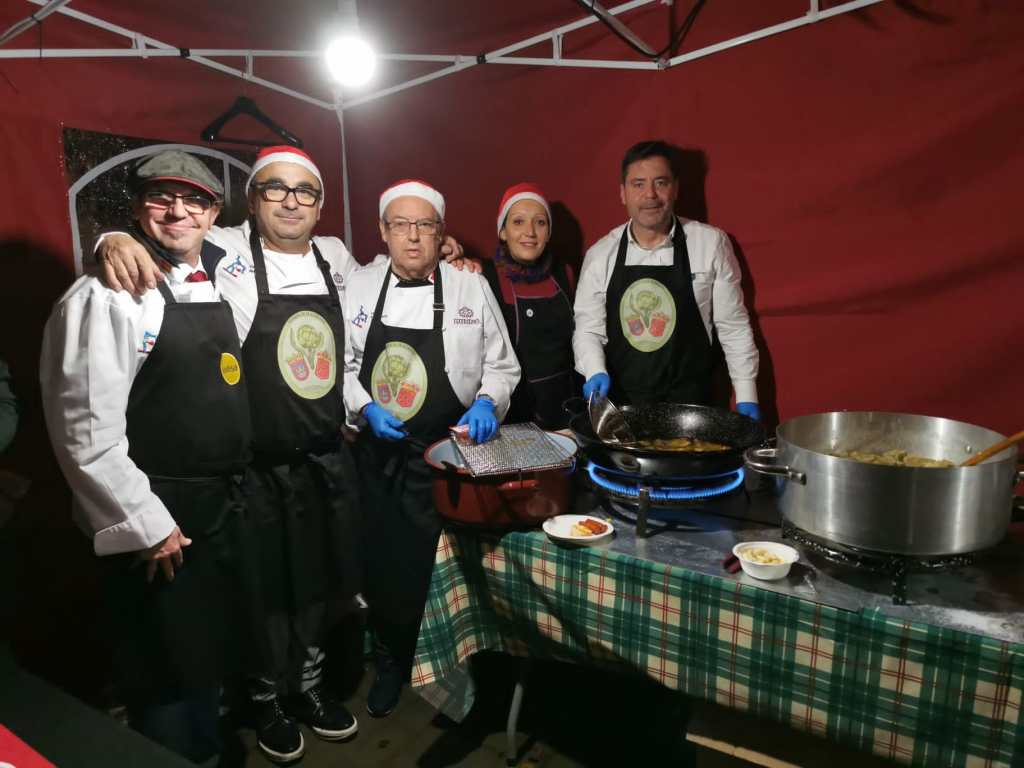
For example, the members of the cheese guilds have a profound understanding of all the specifications of the process: what type of milk is used, how it is made and seasoned, how it should be tasted. The same is true of the guilds that promote wines, vegetables and other products.

The work of our guilds is enriching. The celebration of the chapters (the guild’s feast day) is important, but the community’s defence of its own produce is even more important. Let us therefore be extraordinary co-producers.
One of the main challenges facing the guilds today is generational renewal. In order to attract the next generations, they must perceive that guilds are beneficial to society and that the life of the association also enriches its members.
Let’s see if we are lucky enough and it happens!
Notes:
*Gastronomic societies are social clubs where members meet to cook, eat and share a day of leisure. They are private and only their members have access to them, although friends and relatives may accompany them. There are no owners as such; the members prepare all the meals and services, which are then enjoyed and shared by all. It is a Basque tradition that is an important part of the culinary culture of the Basque Country, but it is also deeply rooted in Navarre and La Rioja.
** A Produce Guild is an association of people, with different backgrounds and training, who work voluntarily to promote and protect a product and a town or region.

 Spilling the beans
Leave a comment